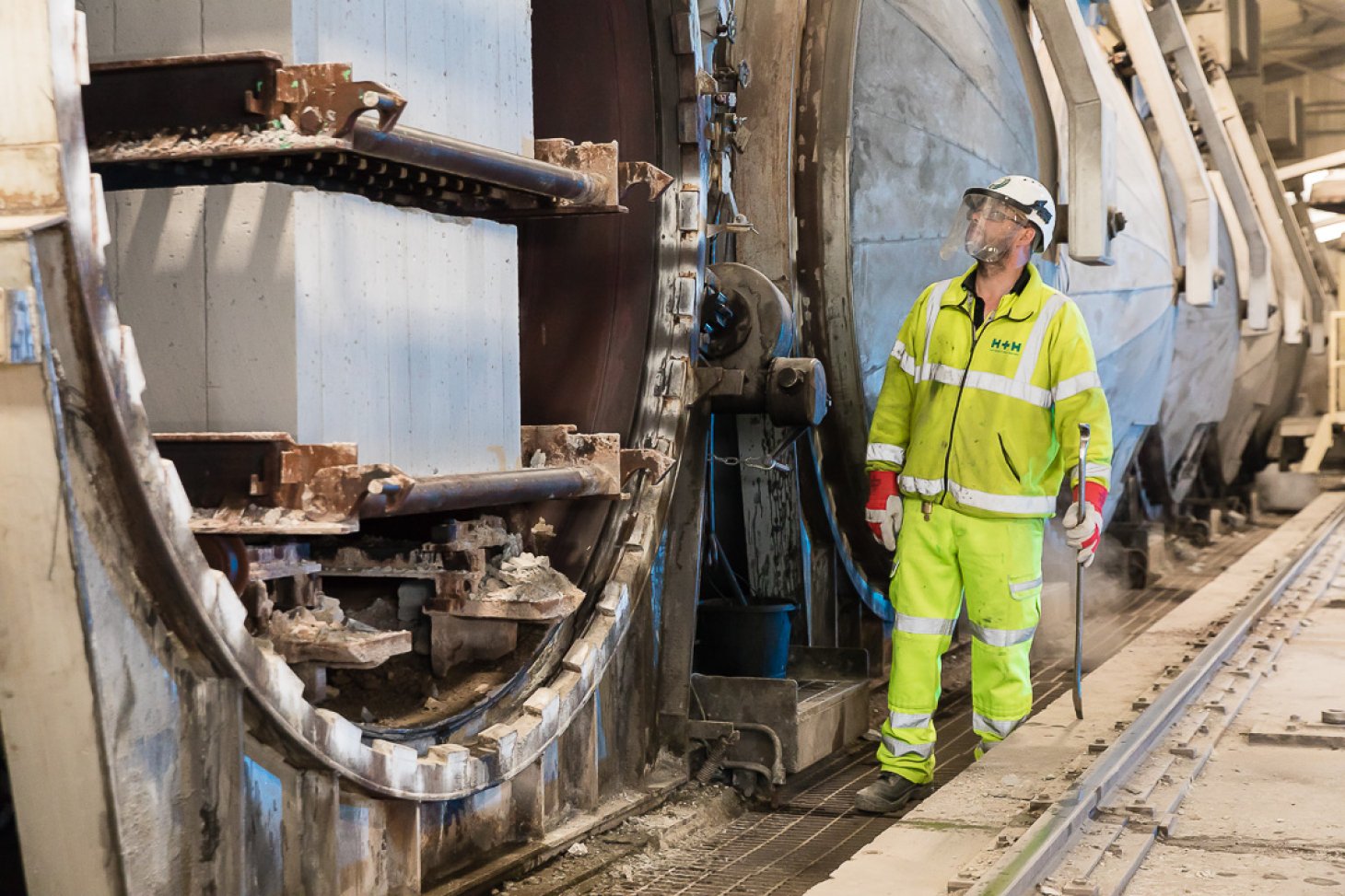
As long ago as 1974 the UK led the world with the introduction of the Health and Safety at Work Act. At the time this was a milestone in legislation to protect the safety of workers. The main innovation was to provide a single flexible framework applicable to all workplaces, imposing a general duty on employers to ensure the health, safety and welfare of their employees.
This broad framework replaced a patchwork of narrow and industry-specific rules and also established an independent regulator (now part of the Health and Safety Executive) to enforce, inspect and prosecute non-compliance. With this overall framework in place, additional regulations have been added to cover specifics such as machinery safety, manual handling, chemical hazards etc.
This enlightened legislation established the principle that employers are legally responsible for the health and welfare of their staff and provided the framework to ensure that the legislation could be enforced.
Despite being over 50 years old, this Act still forms the basis of safety management for workers in our manufacturing sector and, just as importantly, has become a guiding principle for British businesses.
Regulations have been added or amended for specific sectors over the succeeding decades, and the result is a continuing decrease in the incidence of work-related accidents.
This approach to Health and Safety has subsequently been adopted by many countries across the globe but UK manufacturers are some of the most vigilant when it comes to the safety of their workforce.
The Health and Safety Executive points out that managers in UK businesses are more likely to have a documented Health and Safety policy and do regular health and safety checks than their European counterparts. In fact, 90% of UK workplaces do regular health and safety and risk assessments (compared to a European average of 77%).
When this comparison is extended beyond the European Union, the UK focus on safety becomes even more impressive, with comparative accident figures showing UK manufacturing to be some of the safest in the world. Even developed economies such as the United States report a significantly higher proportion of accidents and injuries in its factories.
Of course, no factory would ever claim to be 100% free of accidents. By their nature, factories contain hazardous, heavy equipment operated by fallible human beings. What keeps accident rates low is an engrained culture of prioritising safety, supported by a robust legislative framework.
Keeping workers safe should be priority for everyone. Not just the organisations who employ them but also the customers who buy the products. In a world of global supply chains and multi-national retailers, it can be difficult to pinpoint who is responsible for these issues. For UK housebuilders and their customers it’s less problematic. A focus on locally manufactured products supports not only the UK economy, but also the ambition to lead on worker safety.
Sources: HSE comparative statistics
International Labour Organization Statistics on safety and health at work