With the publication of the much-anticipated Future Homes Standard, the housebuilding industry has clarity on the building standards required of them.
The standard itself is broadly welcomed. It makes sense to maximise the energy efficiency of new homes and the requirement to introduce renewable energy sources seems more sensible by the day.
But (and it’s a big but) expecting ever higher performance of new build homes threatens the viability of some schemes, particularly if the changes are sudden or unexpected.
Given that the length of time between acquiring land and actually building can be five years or longer, it’s difficult to accommodate changes that will alter the cost assumptions on which land acquisition bids are based.
Shortening the wait
The problems around gaining planning permission are well known and much discussed and credit must be given to this government for introducing policy changes that should ease the problem in the long term. In the short term, however, there is a real issue with increasing the cost of building on land that has already been acquired.
The purchase cost of the land will have been calculated based on an assumption around the cost of building the homes and their likely selling price. Housebuilders will have factored in likely product cost inflation and wage rises based on smart forecasting knowledge.
What they will not have been able to factor in is the cost of the final requirements of the Building Safety Act.
We have known the direction of travel for many years, and it was no secret that build costs would be higher to accommodate increased thermal efficiency. The inclusion of renewable technology was also widely anticipated.
Prescriptive PV
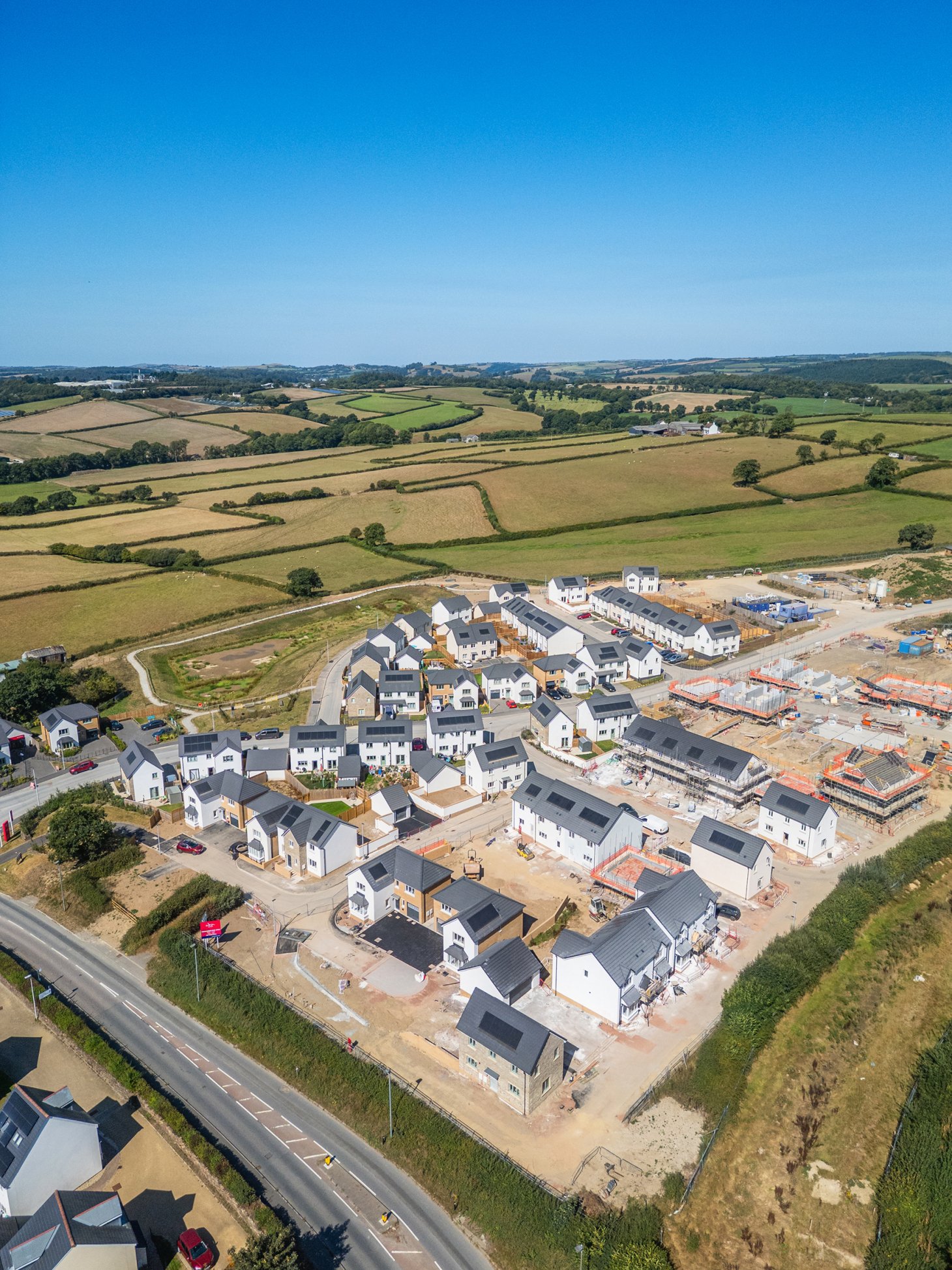
What came as a surprise, however, was the rather prescriptive guidance suggesting that the quantity of Solar PV on each project should equate to 40% of the ground floor area.
This is the kind of change that can appear relatively insignificant – until the designers start to look at house types with dormer windows or feature roofs. Let alone the orientation of buildings to achieve maximum energy generation from Solar PV.
It’s a sting in the tail of what are otherwise well-understood changes that have been accommodated into financial planning of new developments. And it’s a costly one.
The price of land is one of the few areas where housebuilders have some flexibility. If the cost of building new homes rises, then potentially the offers made for development land will fall so that the increased building costs can be accommodated.
Rising costs in a flat market
In headier market times increased building costs would be added to the asking price for new homes. But we’re not in heady times and the amount of discounting and special offers around clearly demonstrate that affordability is a huge issue for home buyers.
That five year wait to see if the gamble associated with land pricing pays off needs to be shortened to reduce the risk. The scheduled planning reforms should address this, but for now, the industry needs some regulatory calm.
No more increased performance standards, no additional biodiversity requirements and nitrate offset schemes, no new planning obligations and no additional new measures that need assessment, consultancy and report writing.
We have hugely improved the energy efficiency of new homes and introduced significant controls to limit harmful environmental impact. All of this adds cost to an industry where margins are already falling. Let’s just stop for a bit and allow the complex financial model underlying the supply of new houses to catch up.